
2025 Okapi Conservation Project Highlights
Protecting the Earth’s Treasures
Okapi Conservation Project (OCP) stands at the front line of efforts to protect the Ituri Forest—one of the planet’s most biologically rich and irreplaceable ecosystems. At the heart of this landscape lies the Okapi Wildlife Reserve (OWR), one of the last strongholds of the Endangered okapi. Since 1987, our mission has been to safeguard this forest’s integrity, protect its iconic wildlife, and ensure the survival of the complex socioecological relationships that make the Ituri Forest truly unique.
Over the past year, donor support has translated into real, measurable impact:
Stronger Protection on the Ground
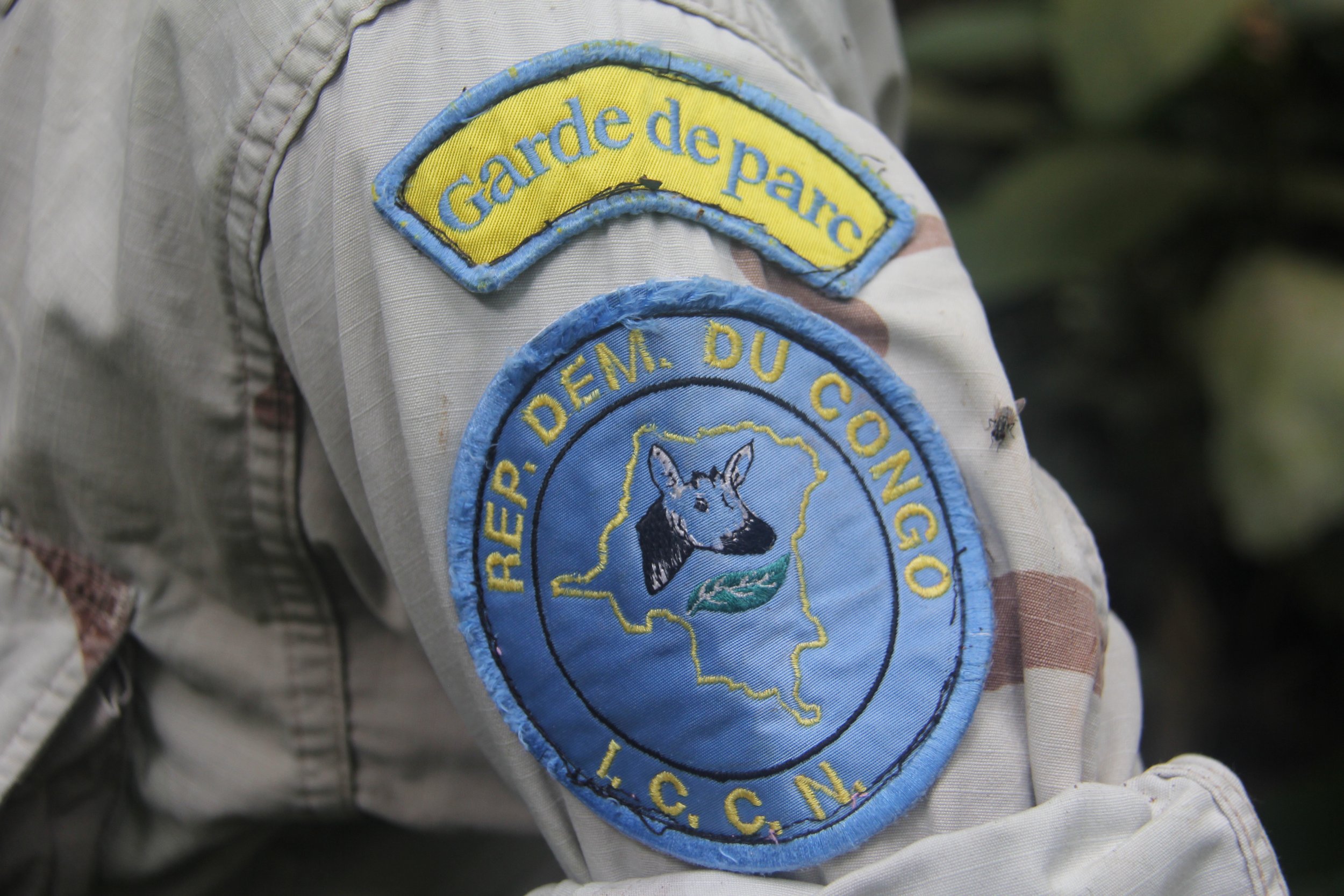
OCP significantly strengthened the capacity of the Institute in the Congo for the Conservation of Nature (ICCN), providing critical operational support that directly enhanced security across the OWR. A discreet, area-wide informer network of 50 individuals—each operating independently—delivered vital intelligence on illegal activities. This strategic information enabled eco-guards to plan targeted patrols, respond more effectively to threats, and achieve tangible conservation outcomes.
Proof That Protection Works
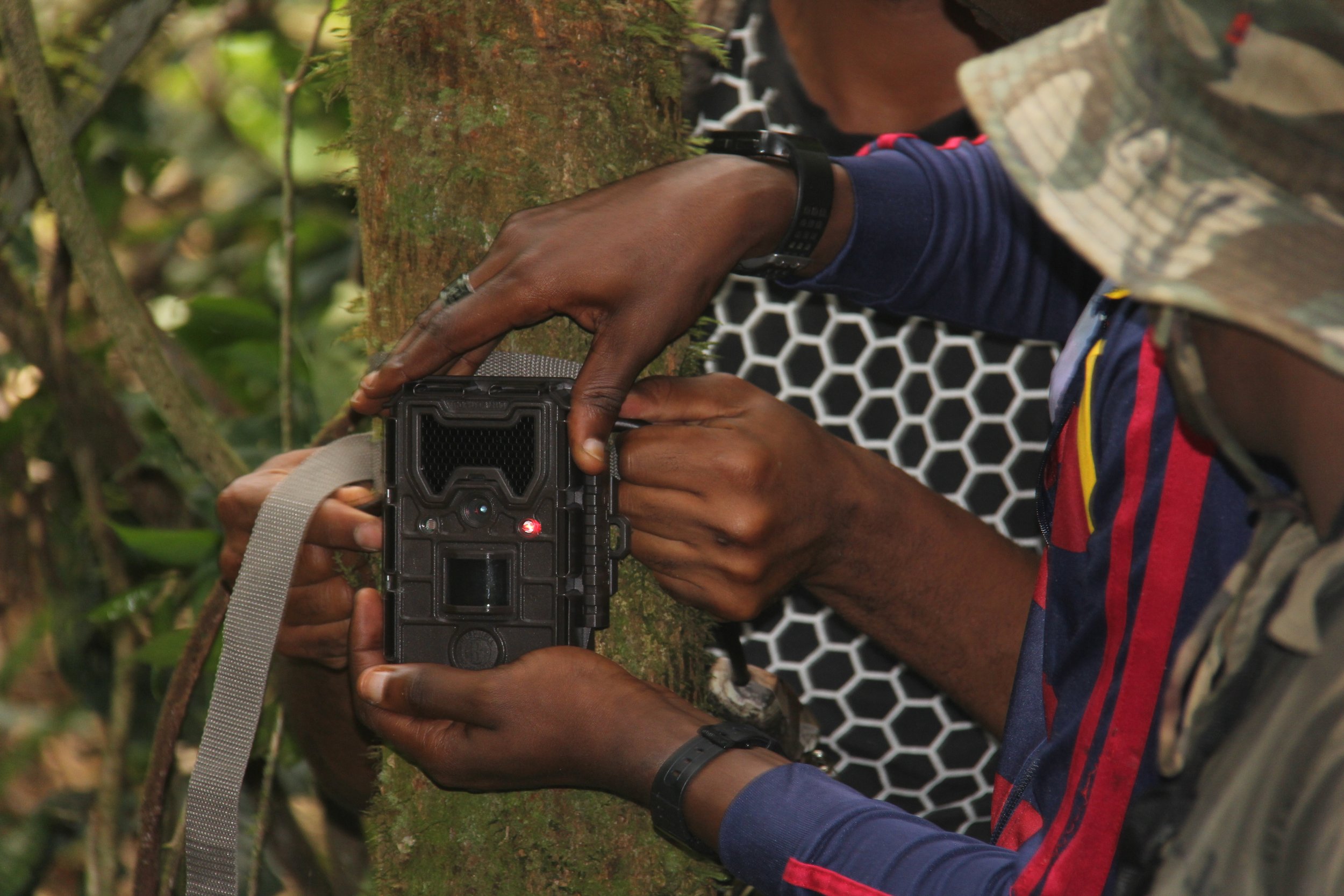
Through the successful deployment of camera traps in the Bianje sector, 16 km East of Epulu, OCP documented evidence of conservation success through images of threatened okapi, chimpanzees, African forest elephants, and other key species thriving within the Reserve. These sightings confirm that stable wildlife populations persist despite mounting pressures and provide essential data to guide future protection and anti-poaching strategies.
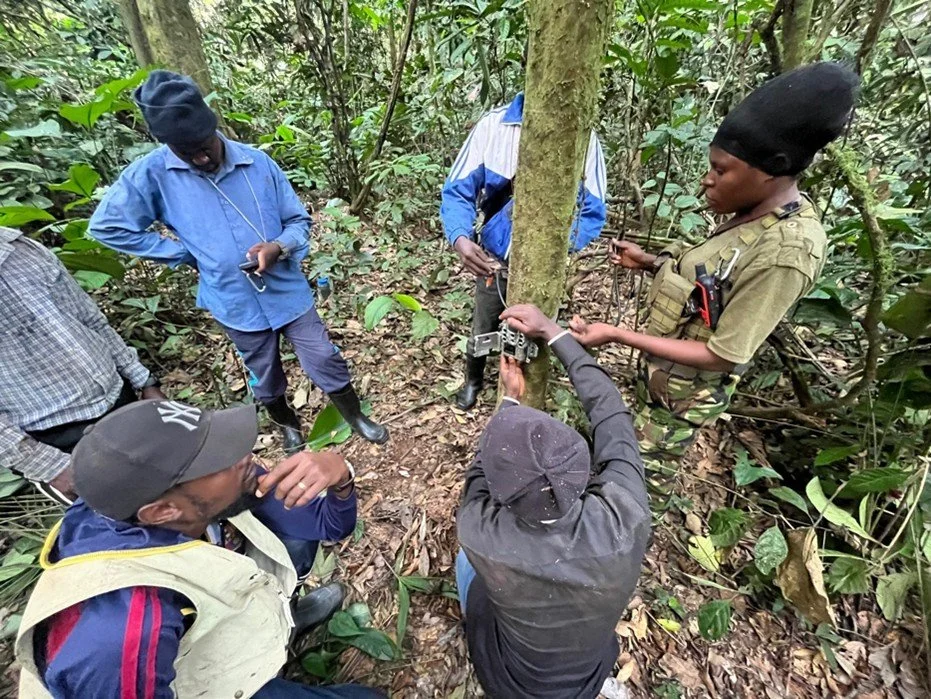
Every patrol supported, every camera deployed, and every threat prevented helps keep one of the world’s most important forests standing. With continued donor investment, OCP can scale these proven interventions—protecting threatened species, supporting dedicated eco-guards, and preserving a forest of global importance for generations to come.
The Partnerships That Make Conservation Possible
Effective conservation in the OWR depends on a trusted, long-term partnership with the Democratic Republic of Congo’s primary conservation authority, ICCN. Over the past year, OCP deepened this critical collaboration, strengthening the foundation that ensures lasting protection of the Reserve.
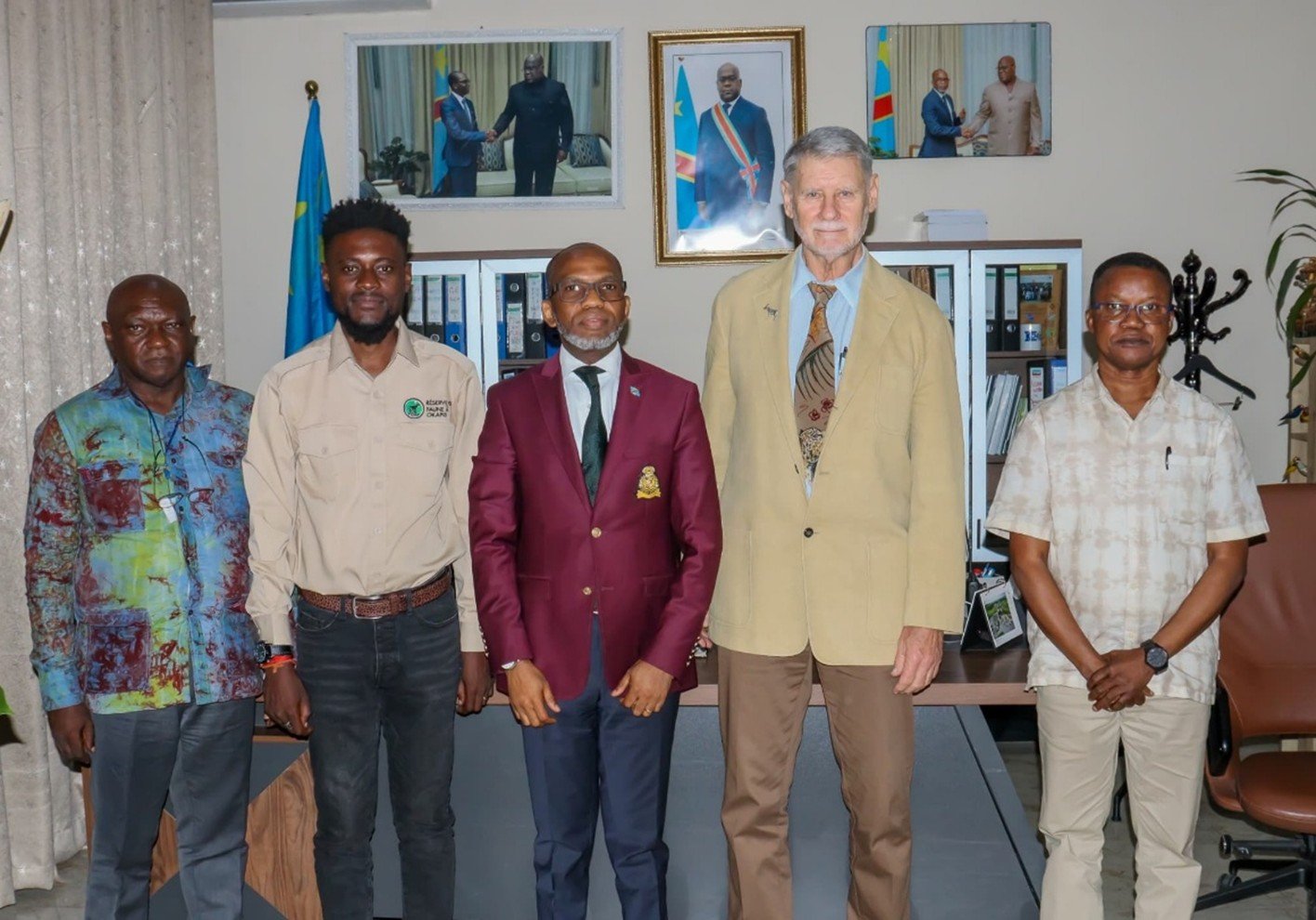
OCP’s President John Lukas with the Director General in Kinshasa
Joint Leadership in the Field
OCP worked closely with WCS and ICCN leadership through coordinated actions that brought conservation directly to local communities. These engagements strengthened trust, reinforced conservation messaging, and promoted peaceful coexistence between people and wildlife in the Reserve’s multi-use zones—where coexistence is vital and long-term success is ultimately decided.
Caring for Those Who Protect the Forest
Through continued support of the Okapi Dispensary, OCP ensured reliable access to medical care for 330 ICCN eco-guards and 3,250 of their family members. By safeguarding the health and well-being of those on the front lines of conservation, we strengthen morale, resilience, and the effectiveness of protection efforts across the Reserve.
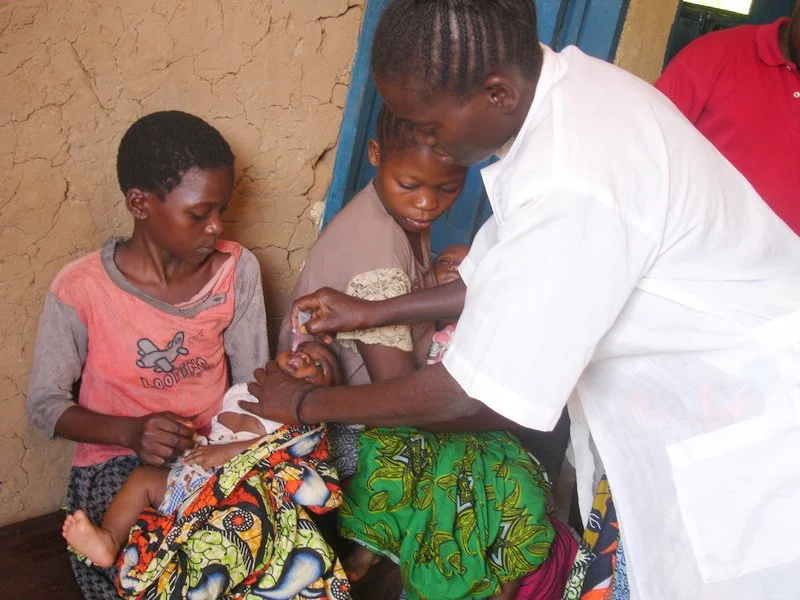
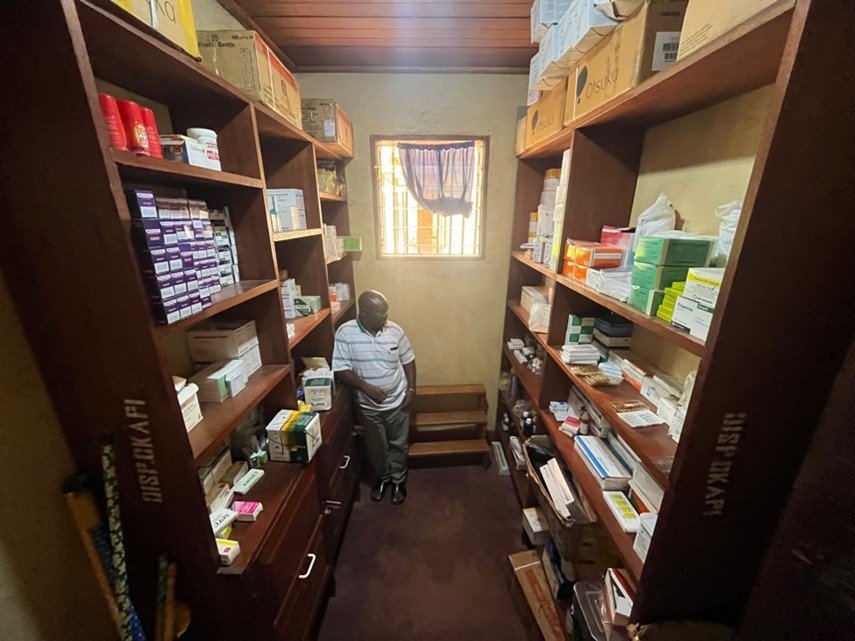
When conservation institutions are strong, partnerships are secure, and eco-guards are supported, wildlife protection succeeds. Donor support makes this stability possible—turning collaboration into lasting conservation outcomes for one of the world’s most extraordinary forests.
Caring for Communities Strengthens Conservation
Lasting conservation in the OWR depends on healthy, cooperative, resilient communities. OCP places people at the heart of its work, ensuring that support for vulnerable families living in and around the Reserve is integrated alongside wildlife protection. Over the past year, donor support enabled OCP to deliver meaningful assistance that improved lives, built trust, and reinforced long-term conservation success.
Results of communities and conservation thriving together:
Honoring Those Who Gave Their Lives
OCP continued its long-standing commitment to the families of fallen eco-guards by providing ongoing financial support to two orphans of an ICCN ranger killed during the 2012 Maimai attack on Epulu—ensuring promises made are promises kept.
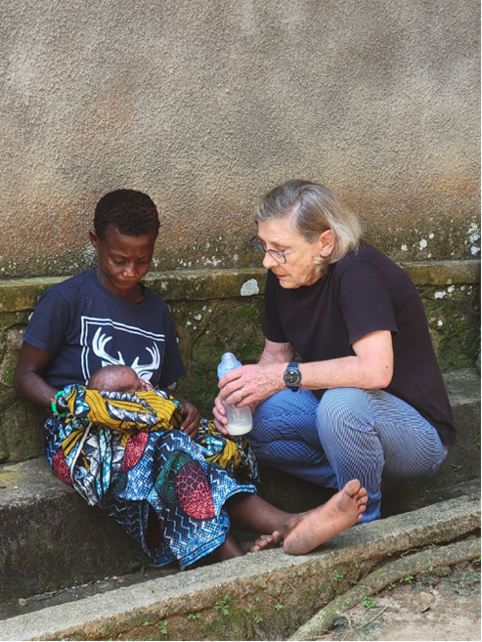
Protecting the Health of the Most Vulnerable
Nutritional support was provided to three infants through the supply of infant formula milk, helping safeguard early childhood development during a critical stage of life.
Compassionate Care Without Exception
OCP sustained long term medical care for a paralyzed member of the Mbuti community at the Okapi Dispensary, reflecting a commitment to dignity, inclusion, and care for all.
Responsible Employment and Institutional Integrity
OCP maintained full compliance with national labor regulations, including payment of all applicable taxes on OCP/WCG personnel salaries, contributions to national systems and the regularization of worker files with the National Employment Office to strengthen transparency and accountability.
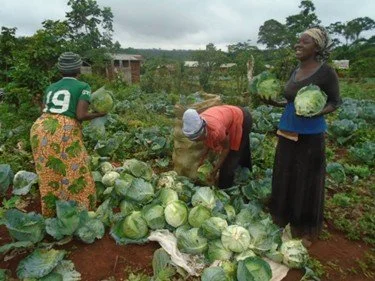
Food Security Through Agroforestry
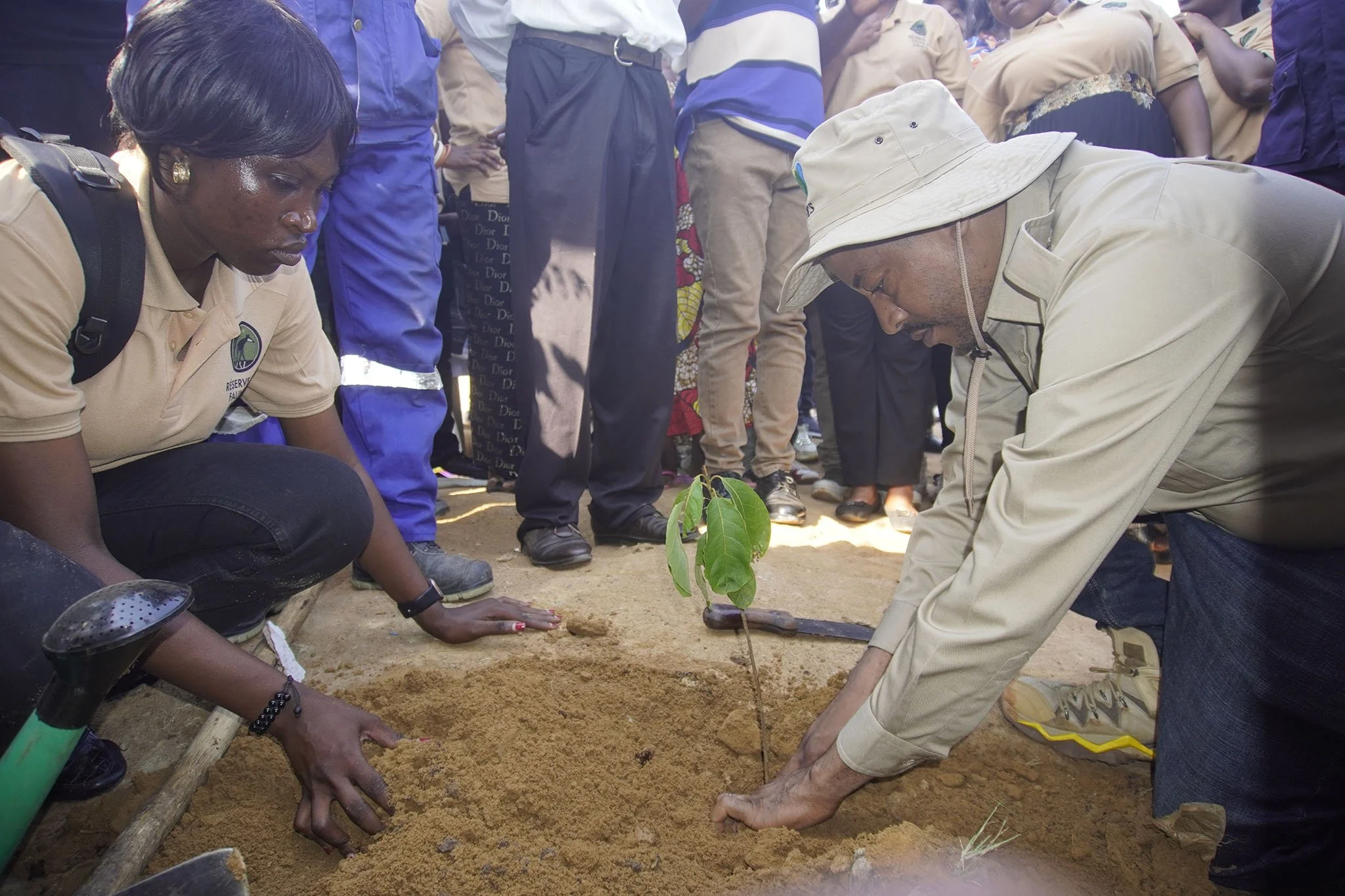
To reduce dependency on forest resources and improve household resilience, OCP expanded its agroforestry and food security programs. This included the distribution of 102,253 tree seedlings and plants, distribution of over 20,000 kg of seeds to support to 5,077 farmers (3,424 men and 1,562 women), assistance across 256 hectares, and the establishment of 552 vegetable gardens benefiting 793 households.
Healthcare at Scale
The Okapi Clinic provided treatment to 8,872 patients, including 1,772 children under the age of five. Of these, 275 patients were admitted for observation and 98 individuals were transferred for advanced medical care to hospitals in major towns—demonstrating the clinic’s critical role as a lifeline for the region.
When families are supported, health needs are met, and food security is strengthened, communities become partners in conservation. Donor investment makes it possible to protect both people and the forest they depend on—ensuring a sustainable future for the Okapi Wildlife Reserve.
Women Leading Change in the Okapi Wildlife Reserve
OCP continued to invest in the strength, resilience, and leadership of women’s groups recognizing women as essential drivers of community cohesion, household stability, and equitable, sustainable development. By supporting women’s economic independence, OCP helps build stronger communities that are better positioned to partner in long-term conservation.
This investment in women translated into meaningful progress. This year, OCP employed a dedicated coordinator to strengthen production systems and improve efficiency across participating women’s groups—enhancing collaboration and consistency across all locations. Additionally, women received practical skills training in sewing, embroidery, and knitting, alongside management training designed to build confidence, improve financial literacy, and support long-term economic independence of their individual groups.
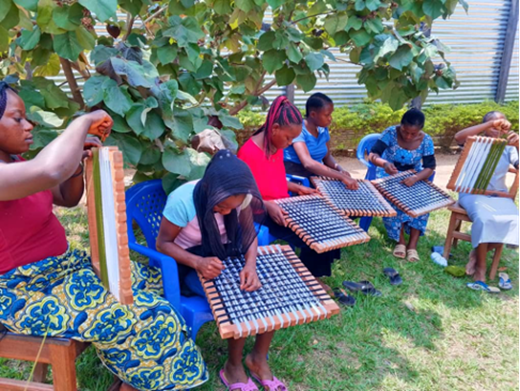
Mambasa MARFO members during embroidery practice
Inspiring the Next Generations of Forest Stewards
Sustainable conservation in the OWR depends on informed, engaged, and empowered communities. Through its conservation education and outreach programs, OCP works to build local stewardship of natural resources and inspire the next generations of conservation leaders—ensuring that protection of the Ituri Forest endures well beyond any single intervention.
This year, OCP inspired conservation awareness at scale across the landscape:
Amplifying Conservation Messages
OCP broadcast conservation messages across eight community radio stations, delivering 384 radio programs that reached remote communities with vital information on wildlife protection, sustainable practices, and coexistence with nature.
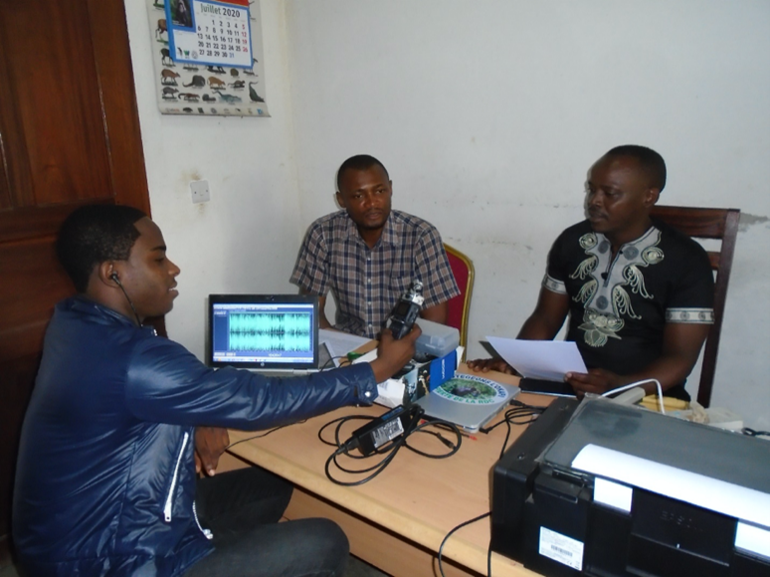
On air speaking on conservation education
Putting Conservation in Homes and Classrooms
To reinforce learning beyond the airwaves, OCP distributed 3,000 educational calendars and 2,600 protected wildlife posters to households, schools, and community groups—keeping conservation messages visible year-round.
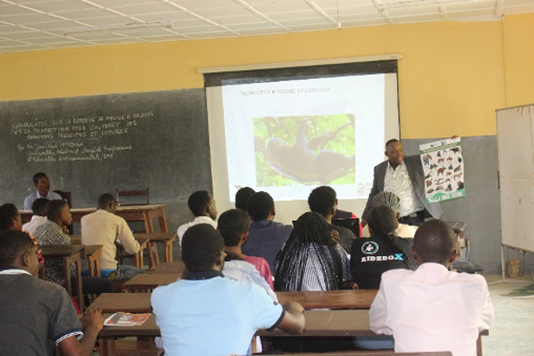
OCP’s Education Coordinator teaching students about protected species in the Reserve
Reaching Students at Every Level
Educational presentations engaged 50,534 students, including 32,672 primary, 13,700 secondary, and 4,162 university students, nurturing environmental awareness from early childhood through higher education.
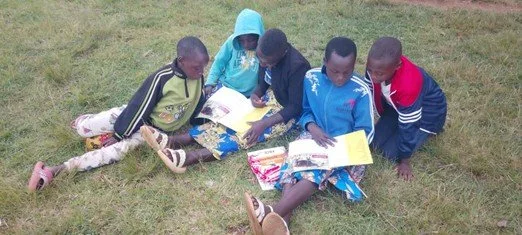
Children reading through their new education material
Celebrating Conservation Together
OCP organized and supported major environmental events—including International Rangers Day, International Day of the African Woman, World Okapi Day, and World Tree Day—and played a key role in supporting the return of an ambassador okapi to the Epulu Station Okapi Study Area, in partnership with ICCN and the Wildlife Conservation Society. These moments strengthened community pride, visibility of conservation and collective commitment to conservation.
Education transforms awareness into action. By reaching tens of thousands of people—especially young leaders—donor support is helping cultivate a conservation ethic that will protect the Okapi Wildlife Reserve and its extraordinary biodiversity for generations to come.
In June of 2026, we will start our 39th year working holistically to support protection of wildlife and habitat at the same time strengthening community resilience to provide a future for the people who live alongside okapi everyday.
Thank you for joining us on this remarkable journey.
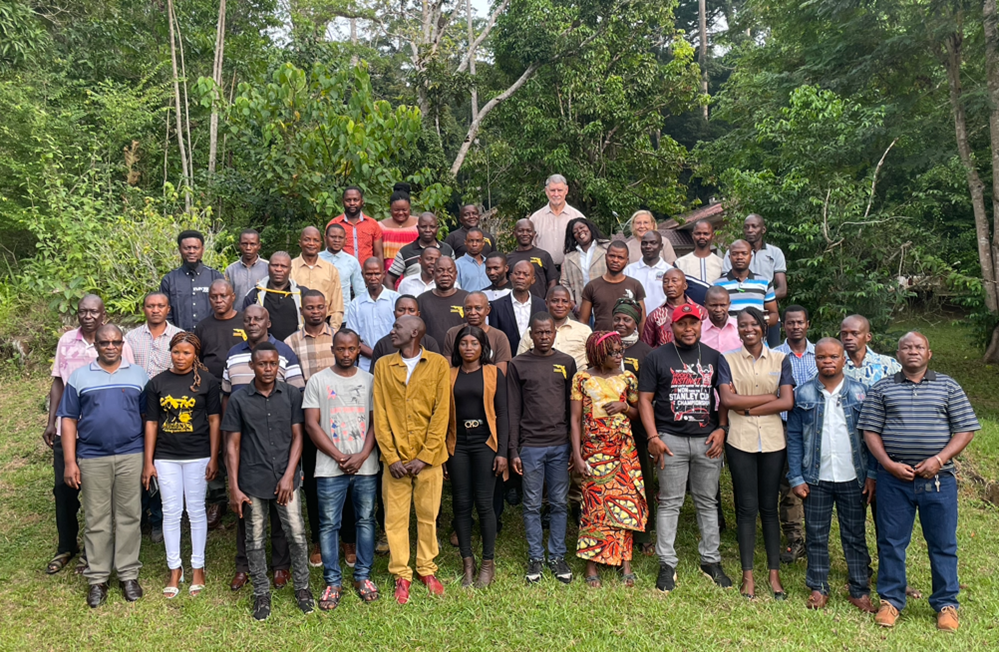
Okapi Conservation Project team photo in Epulu
